
Navratri and Dussehra Greetings in Your Own Language
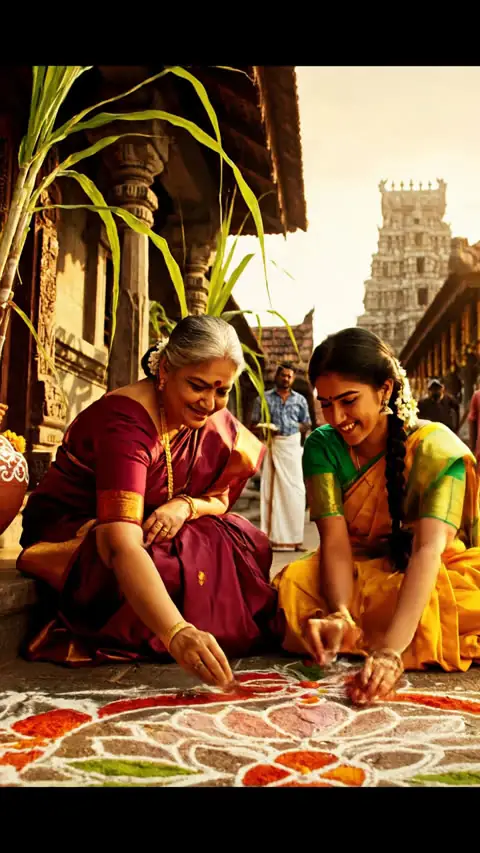
Navratri begins in mid-October this year, and Dussehra follows at the end of the nine nights. Family chats fill up with the same forwarded images of Durga and garba dancers. A greeting in the language your relatives actually speak, mentioning something real about your family, stands out.
What makes a festival greeting feel personal
- One real memory. The garba ground behind your building, the year you wore your first chaniya choli, the smell of the pandal.
- The family's language. Gujarati, Hindi, Marathi, Bengali or Kannada, depending on who you are writing to.
- A name. “For Dadi” beats “Dear all” every time.
Short Navratri wishes you can adapt
Use these as a starting point and add your own detail:
- नवरात्रि की हार्दिक शुभकामनाएँ। माँ दुर्गा आपके घर में सुख और शांति लाएँ। (Hindi: warm Navratri wishes, may Maa Durga bring happiness and peace home.)
- નવરાત્રીની શુભેચ્છાઓ. (Gujarati: Navratri greetings.)
- नवरात्रीच्या हार्दिक शुभेच्छा. (Marathi: heartfelt Navratri wishes.)
For Dussehra, themes of good over evil work well, but a personal angle is stronger: thank a parent for a time they stood up for you, or recall a Ravan dahan you watched as a child.
Turn the wish into a story greeting
In ShareGreet, describe the greeting in a sentence or two, for example: “Wish my cousin happy Navratri, remind her of the garba nights we danced till midnight, and say I miss being home.” The AI writes a short script, illustrates each scene, and narrates it in the language you pick. You can edit the script before it is generated.
Timing tips
- Start a day or two early. Generation runs in the background and you get a notification when it is ready.
- Send on the first day of Navratri or Dussehra morning, before the flood of forwards.
- If you are sending to several relatives, make one in each of their languages. See our Diwali guide for the same approach.
Sample prompts for the nine nights
- Garba memory: “Wish my cousin happy Navratri. Remind her of the garba nights we danced until midnight in our colony, and say I will be back next year.”
- Family tradition: “Send Navratri wishes to my grandmother. Mention the fast she keeps every year and the way she blesses every one of us by name.”
- Dussehra: “Wish my father a happy Dussehra. Thank him for the evenings he took us to see the Ravan effigy burn when we were small.”
Choosing the right style
Festival greetings tend to look best in warm, colorful styles. Pop art and Oil painting suit the energy of garba. Watercolor and Storybook suit a quieter, nostalgic message to an elder. If you are unsure, our style guide explains how the 11 styles feel.
Make one per relative
The most effective approach is also the simplest: send each person their own greeting, with their name and a memory only they share with you. A grandmother in Ahmedabad, a cousin in Pune and a friend in Toronto might each get a different language and a different story. It takes a few minutes each, and it is exactly what people remember about the festival afterwards.
A quick checklist
- Is the name in the first line?
- Is there one specific detail from your own life?
- Is it narrated in the language they speak at home?
- Have you read the script aloud once?
Frequently asked questions
Which languages can the narration use?
ShareGreet narrates in 30+ regional languages, including Hindi, Gujarati, Marathi, Bengali, Tamil, Telugu, Kannada and Malayalam.
Can I add my own photo of the family?
Yes. In the script review step you can upload your own photo or short video for any scene.
More articles
- Greet My Circle: Send Every Festival Wish in One Minute, in Everyone's Language
- AI Video Styles: 37 Looks From Realistic and Anime to Clay and Watercolour
- AI Video Prompt Builder: Write a Better Prompt for Any Video Tool
- Which AI Video Tool Should I Use? A Simple Guide to Every ShareGreet Video Maker
- Replace a Character in a Video With AI: Swap a Person for a Pet, Toy or Cartoon